
Cannabidiol has quietly made its way into the French legal landscape, but beware of surprises around the corner during a roadside check: a poorly labeled or contaminated product can turn a simple relaxation into a bad encounter with a THC test. The law makes a clear distinction on paper between CBD and recreational cannabis, yet the line blurs as soon as a saliva test comes into play.
Understanding cannabis-derived products: what the law says in France
In France, it is impossible to distribute any hemp extract under the radar: the legislation does not compromise. Only products obtained from officially listed hemp varieties, containing a maximum of 0.3% THC, are allowed for sale. As long as CBD remains non-psychoactive and the THC limit is respected, French law accepts it.
A decisive clarification came from the Court of Justice of the European Union. Compliant CBD escapes the classification of narcotics, which has allowed the sector to expand: specialized shops, websites, dedicated sections for oils, creams, herbal teas… The variations have continued to diversify. However, French authorities do not tolerate the combustion of CBD flowers. Smoking CBD, even if legal, poses health risks and is frowned upon by the administration.
Before taking any steps, it is better to keep a few rules in mind. Here’s what should always be checked:
- The origin of the product must be justifiable, as well as the extraction method used.
- The THC level must always be below the legal threshold, with proof provided.
- Traceability and transparency regarding the composition are essential. Analysis results must be recent and publicly accessible.
Consumers keen to avoid any gray areas often turn to suppliers who are committed to compliance with standards. For those wishing to buy CBD, it is crucial to be well-informed about the legality of online sales points. This link specifically explores this framework and details the obligations to be respected to avoid unnecessary risks.
CBD and driving: what are the real effects and risks for motorists?
CBD has gained many followers in France, who use it to relieve stress or regain sleep. But behind this peace of mind, the reality of driving comes into play. Caution is essential: while CBD does not induce euphoria or major perception disturbances, some users, especially at high doses, may sometimes experience fatigue or slowed reflexes.
The trap closes on the tiny but persistent presence of THC in certain products. Pure CBD is not tracked during a roadside check, while the detection of THC triggers an automatic penalty. A simple residue, poorly controlled product, or “full spectrum” can be enough to turn a test, regardless of your behavior on the road. The severity of penalties leaves little room for discussion: points deducted, license suspended, or even prosecution in court.
Those who drive after taking CBD should always ensure several elements:
- The chosen product must guarantee an almost zero and safe THC content.
- It is recommended not to consume just before driving to avoid any temporary decrease in vigilance.
- In case of treatment or pathology, consult your doctor to anticipate any potential drug interactions.
In terms of road safety, any doubt about a product’s composition should be avoided. Staying informed limits unforeseen events while driving.
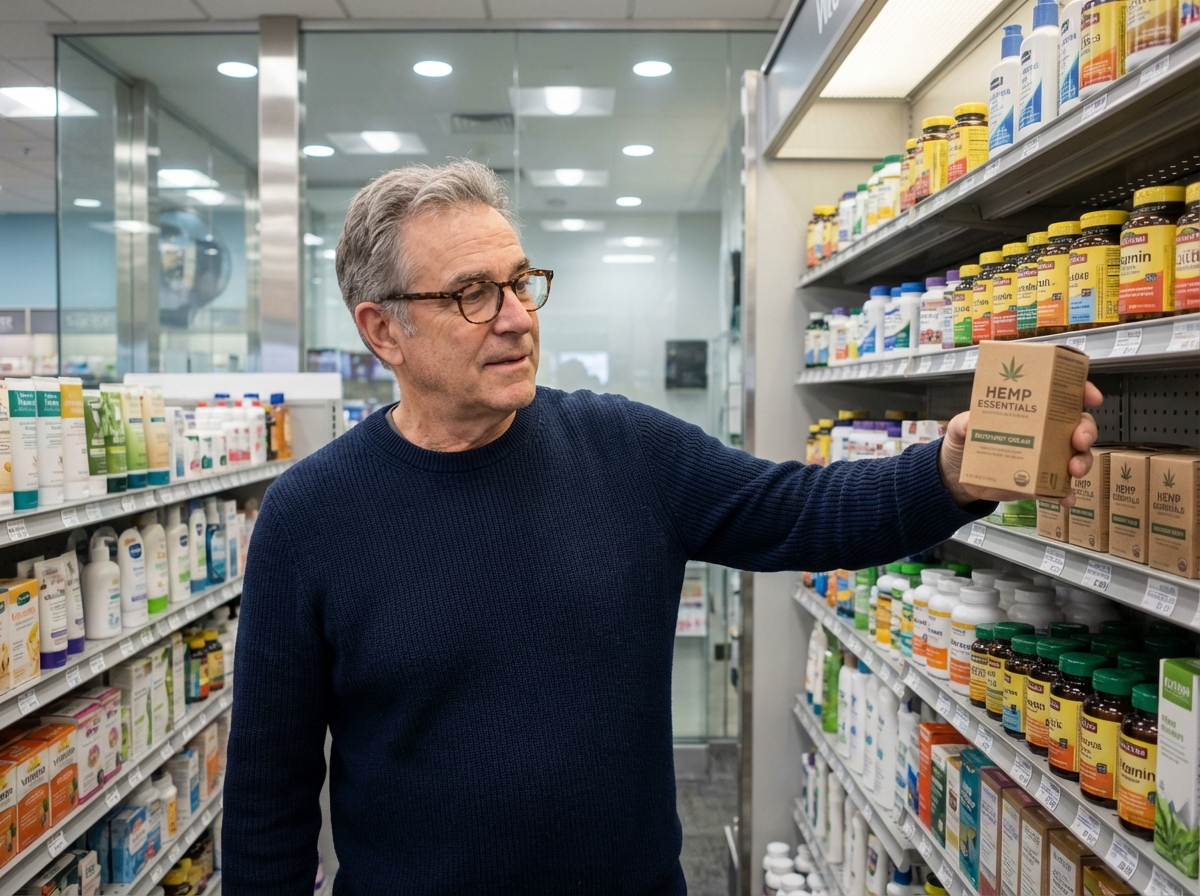
Where to find reliable information to drive safely and legally?
Understanding CBD regulation requires staying attentive to national decrees as well as European decisions. Case law, whether from the Court of Cassation or the CJEU, sets the tone for what is tolerated or not. The slightest negligence regarding a product’s composition can be costly when a THC test is involved.
To keep pace with regulatory developments and access reliable information, there are public and private resources: legal news platforms, institutional websites, analyses from health authorities. Key decisions regarding the CBD product market and the circulation of hemp-based products are regularly updated there.
For consumers, adhering to strict traceability is no longer an option but a necessity. Labeling must clearly display CBD and THC levels; and each analysis result must be accessible, understandable, and within reach of a click or a label. In a sector that is becoming structured, the demand for thoughtful and renewed purchases now takes precedence over mere curiosity.
On the roads as in store windows, the legal line leaves no room for approximation. It is up to everyone to manage their consumption like their driving: informed, composed, ready to ease off at the slightest doubt.